Looking toward its centennial, the UN must project itself as an organization that is efficient in management, coherent and effective in action, and reliable in leadership, capable of once again inspiring the peoples of the world. Its relevance lies not only in its history but in its constant capacity for renewal to remain the place where the world imagines, negotiates, and builds its common future.”
The United Nations remains the only and irreplaceable space where humanity comes together to overcome common challenges. In a context of multiple crises, conflicts, climate change, inequalities, technological disruption and institutional mistrust, the UN must renew itself in order to remain effective, legitimate and close to the people.
This vision proposes building the United Nations the world needs: a modern, efficient, transparent, and results-oriented organization that remains faithful to its founding principles while adapting to the challenges of the 21st century. Renewal does not mean starting from scratch; rather, it means strengthening what has already been built, optimizing resources, eliminating duplication, and reinforcing the capacity for prevention, action, and collective leadership.
Promote continuous reform to strengthen coherence, accountability, and results-based management while making the most of existing resources. Prevention must be at the heart of UN action and be supported by preventive diplomacy, mediation, and a professional, impartial, and merit-based Secretariat.
Looking Outward: reconnecting with people
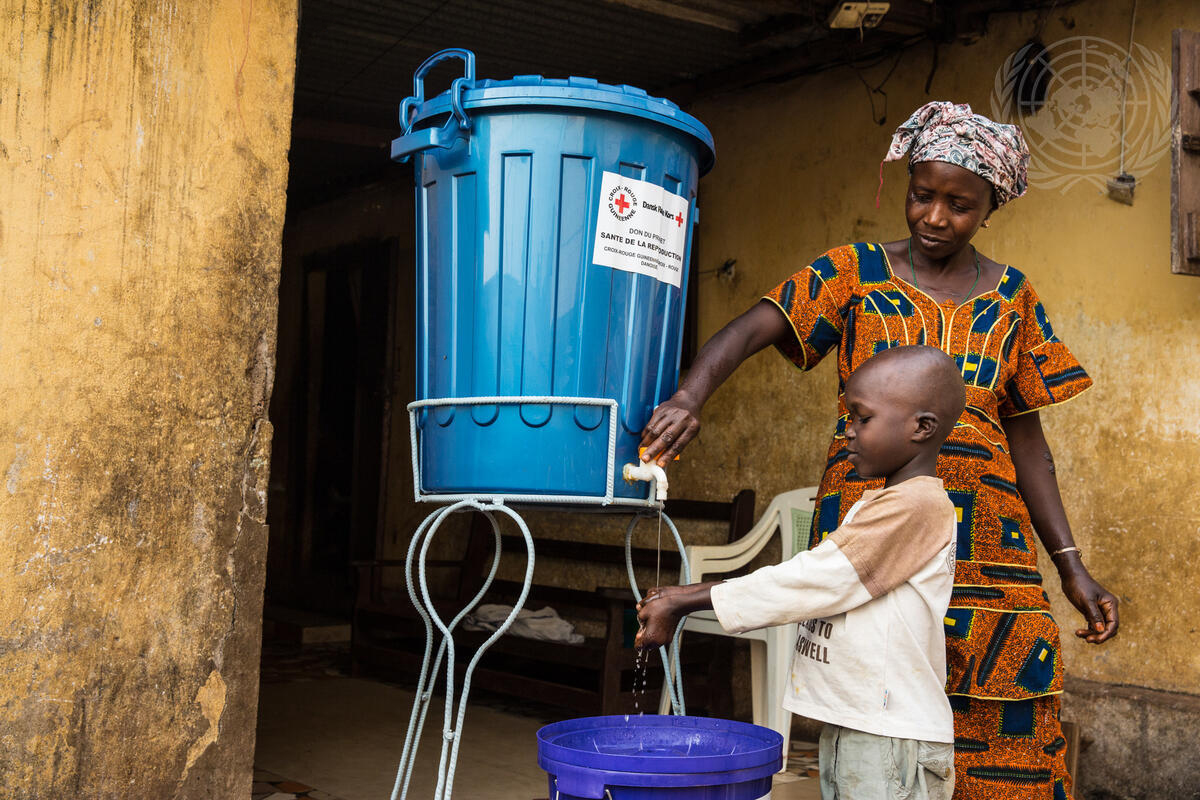
Demonstrate concrete impacts on people's lives to strengthen the legitimacy of the UN. Be an organization that clearly communicates, effectively acts on the ground, and supports states in strengthening their institutions, while aligning multilateralism with national priorities and citizen expectations.
Looking Backward: reaffirming founding principles
The Charter of the United Nations remains a living guide. All multilateral action must continue to be guided by impartiality, respect for international law, the sovereign equality of states, and human dignity, ensuring that the UN remains a space for dialogue, cooperation, and peaceful solutions.
Looking Forward: designing the future with collective vision and leadership
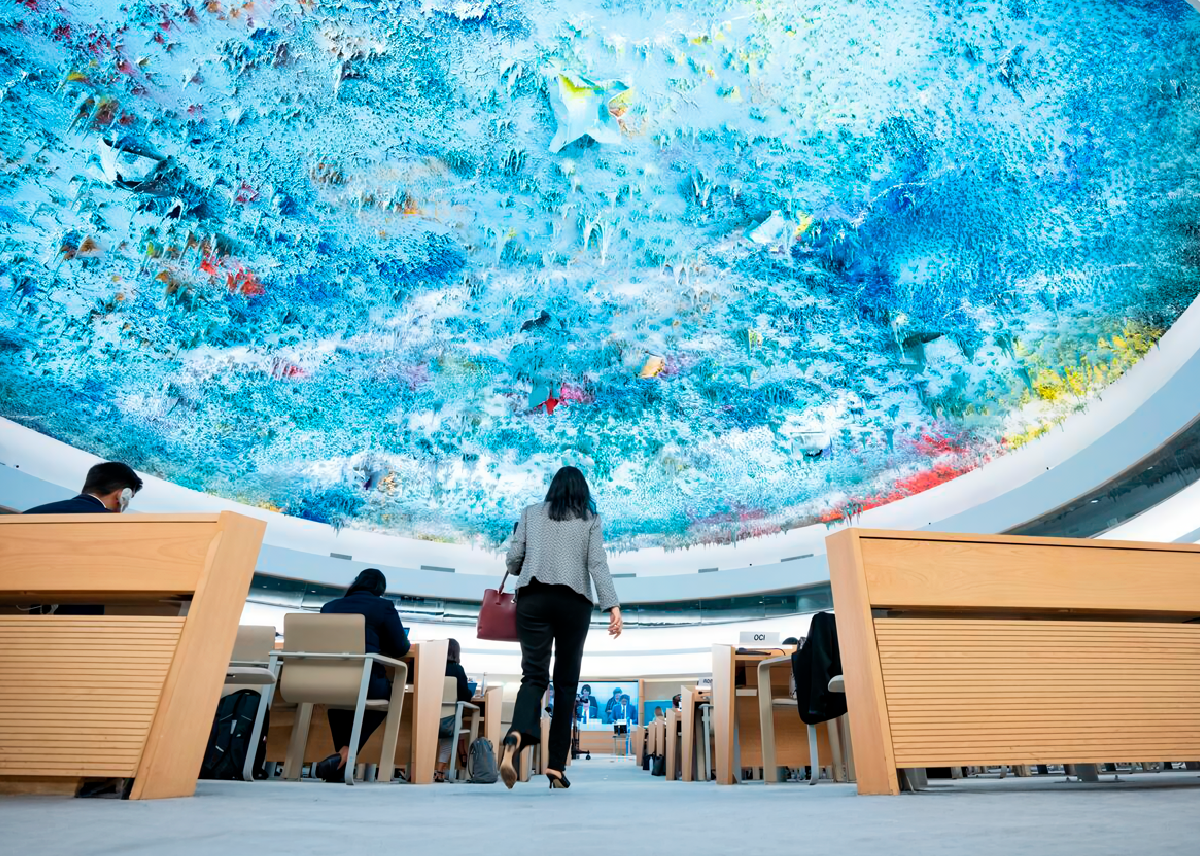
As it approaches its centenary, the UN must act as an architect of the future by promoting an inclusive multilateral governance, strengthening regional cooperation, and leveraging innovation and technology—including artificial intelligence—to advance sustainable development and human rights.
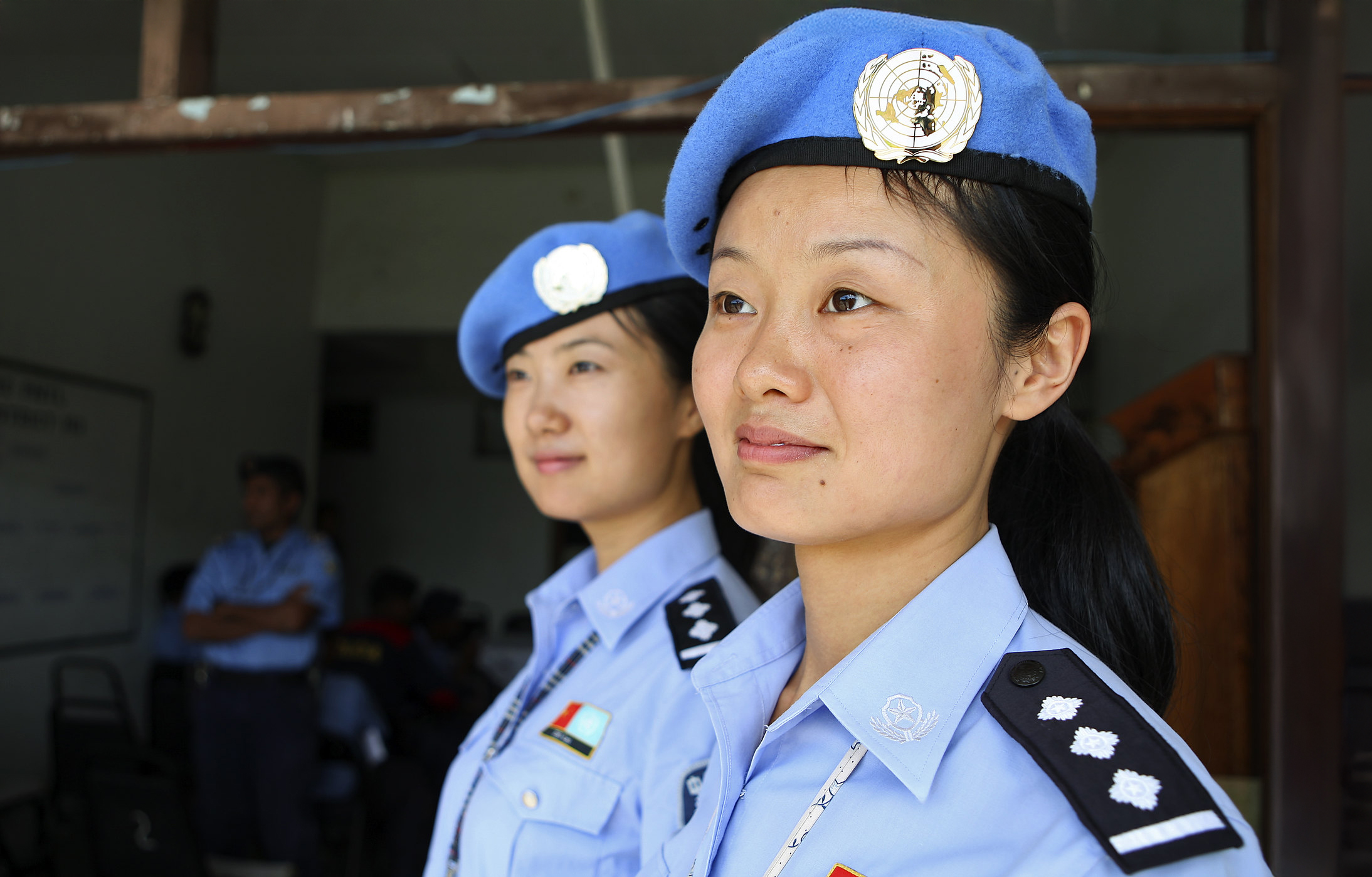
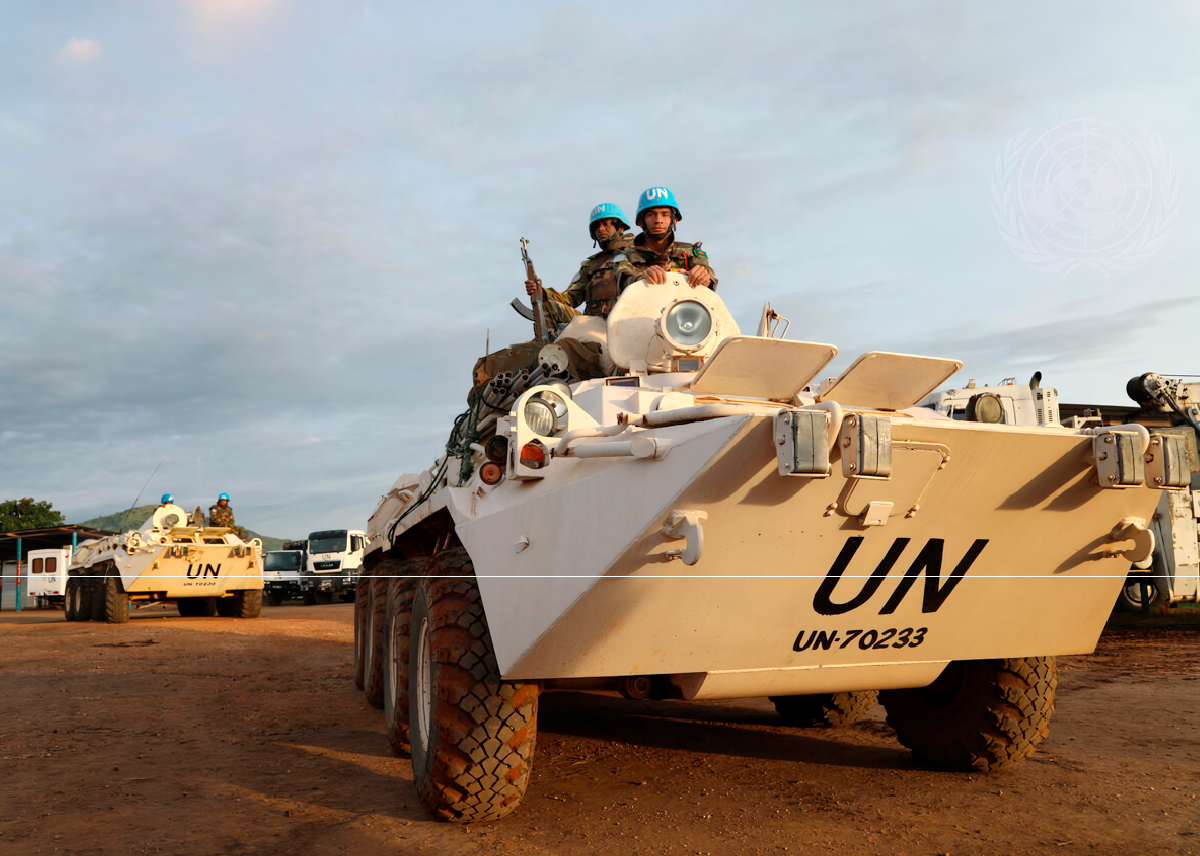
Prevention, effective mediation, more agile peace operations, and international cooperation in the face of traditional and emerging threats.
Eradication of poverty, reform of the international financial architecture, fair climate action, and differentiated support for the most vulnerable countries.
The centrality of human dignity, more effective and sustainable systems, and the full empowerment of women and girls as a condition for peace and justice.
As it approaches its centenary, this vision proposes a UN that not only manages the present but also transforms it; one capable of anticipating crises, preventing conflicts, and uniting the world's peoples around common solutions. A UN that is efficient in its management, steadfast in its principles, and humane in its actions, prepared to continue being the compass of international cooperation in the 21st century.
Biography
Dr. Michelle Bachelet has more than three decades of experience as a public servant in Chile. She is the first and only woman to have held the Presidency of the Republic of Chile, serving two non-consecutive terms (2006–2010 and 2014–2018).
She studied medicine at the University of Chile, specializing in public health and pediatrics. In 2000, she was appointed Minister of Health, and in that role she was responsible for implementing the AUGE Plan, which established universal access to explicit health guarantees.
She was later appointed Minister of National Defense in 2002, becoming the first woman to hold that position in the history of Chile and Latin America, and the fifth worldwide. During her tenure, the role of the Ministry and the Joint Staff was strengthened, progress was made toward equal opportunities for women in the Armed Forces, Carabineros, and the Investigative Police, and a larger contingent of peacekeeping forces was deployed worldwide.
In 2006, with strong public support, she became the first woman to serve as President of the Republic of Chile, returning to office in 2014. Her terms were marked by achievements in equity and social inclusion
In 2010, former United Nations Secretary-General Ban Ki-moon appointed her as the first Executive Director of the newly created agency UN Women , tasked with advancing the rights of women and girls worldwide.
Between 2016 and 2017, in her role as President of Chile, she assumed the Pro Tempore Presidency of the Pacific Alliance.
In 2017, she was appointed a member of the United Nations High-Level Advisory Board on Mediation. In September 2018, she was designated by the current UN Secretary-General, António Guterres, as United Nations High Commissioner for Human Rights, a role in which she elevated her commitment to the protection and promotion of human rights to a global level.
She currently serves as Vice President of the Club of Madrid for the Global South and Latin America. She has received more than 20 decorations and honors worldwide, the most recent being the Indira Gandhi Prize for Peace, Disarmament, and Development.